
The AI debt boom is pulling capital away from other industries, raising borrowing costs for high-quality fintech and payments companies. Sentora aims to bridge that gap by using stablecoin capital to finance these overlooked borrowers while delivering higher yields to depositors.

Despite rapid growth in tokenised treasuries and credit, adoption remains limited. Structural barriers still prevent RWAs from becoming a scalable source of collateral, liquidity, and market depth across DeFi today. mWIN is designed to address these challenges.

New speculation products are monetizing a risk culture that has been building for years.

Exchange revenue was a leveraged bet on retail spot activity, and both of the flows that made that bet profitable have found cheaper routes. ETFs moved blue-chip accumulation into wholesale and zero-commission brokerage accounts, while DEXs and perp platforms absorbed the speculation.

Why NAV based private credit tokens fail the collateral test, even when they pass the investment test.

Learn how to build them for scale

DeFi vaults have become the backbone of institutional capital deployment into real-world assets (RWAs). Curators promise sophisticated risk management, deep due diligence on collateral, and balanced protection for both borrowers and lenders. Yet repeated incidents have exposed a critical flaw in this model.

A late-stage credit cycle is unfolding, with private credit emerging as the new center of risk. This article explores its structural similarities to past crises, the fragility of illiquid, model-driven valuations, and how a potential unwind could ripple across traditional finance and DeFi.
Real-World Assets (RWAs) represent one of the most promising frontiers in decentralized finance (DeFi), bridging traditional finance (TradFi) with blockchain technology. By tokenizing assets like bonds, equities, real estate, and Treasuries, RWAs can create new financial products and become a new source of non-crypto correlated yield on chain. As of March 2026, the tokenized RWA market has surged to $23.6 billion, a staggering 365% increase from January 2025, driven largely by U.S. Treasuries and institutional interest. Yet, despite this growth, adoption remains uneven, plagued by structural, operational, and regulatory challenges. Experts predict RWAs could redefine DeFi in 2026, but persistent issues like liquidity fragmentation, regulatory uncertainty, and interoperability hurdles continue to slow progress. In this article, we explore the core problems hindering RWA adoption and how innovative solutions are emerging to address them.
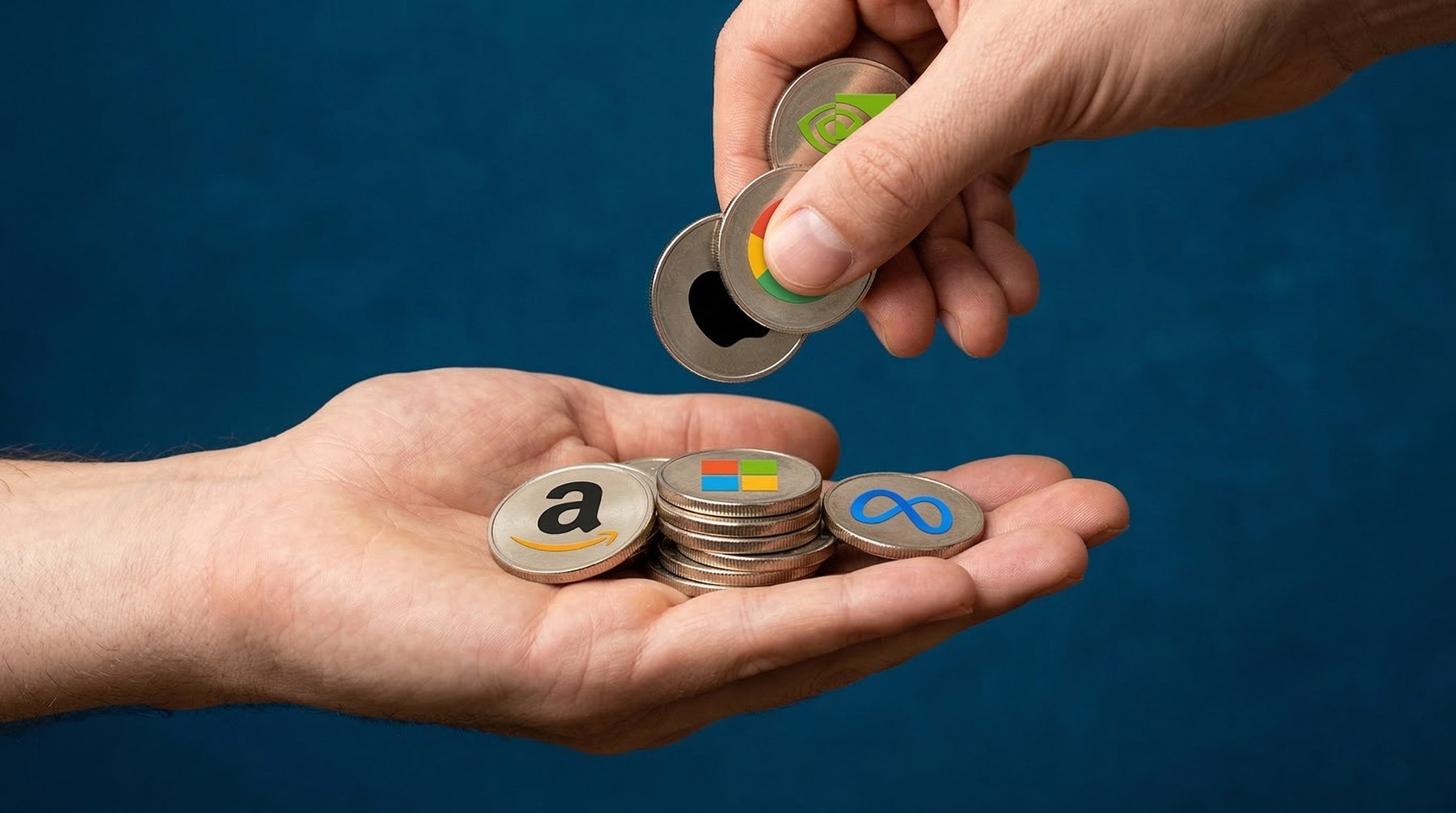
In an era where traditional financial tools often leave retail investors at a disadvantage, tokenized equities are emerging as a revolutionary asset class. By digitizing ownership of stocks like Tesla (TSLA) or Nvidia (NVDA) on blockchain platforms, tokenized equities allow holders to access liquidity without selling their shares. A key innovation here is the ability to borrow against these assets at competitive rates, typically around 4-5% annually, through protocols like Sentora's Tokenized Equity Yield (STEY) vaults, in partnership with Ondo, Euler, and Chainlink.
In an era of tightening regulations, persistent inflation, and evolving financial landscapes, traditional banks are grappling with squeezed margins and heightened capital demands. Vault curation is a concept borrowed from decentralized finance (DeFi), but it has meaningful implications for traditional banking. Vault curation involves managing pooled funds in structured “vaults” that deploy capital across optimized lending strategies. The goal is to balance yield and risk through curated allocations.
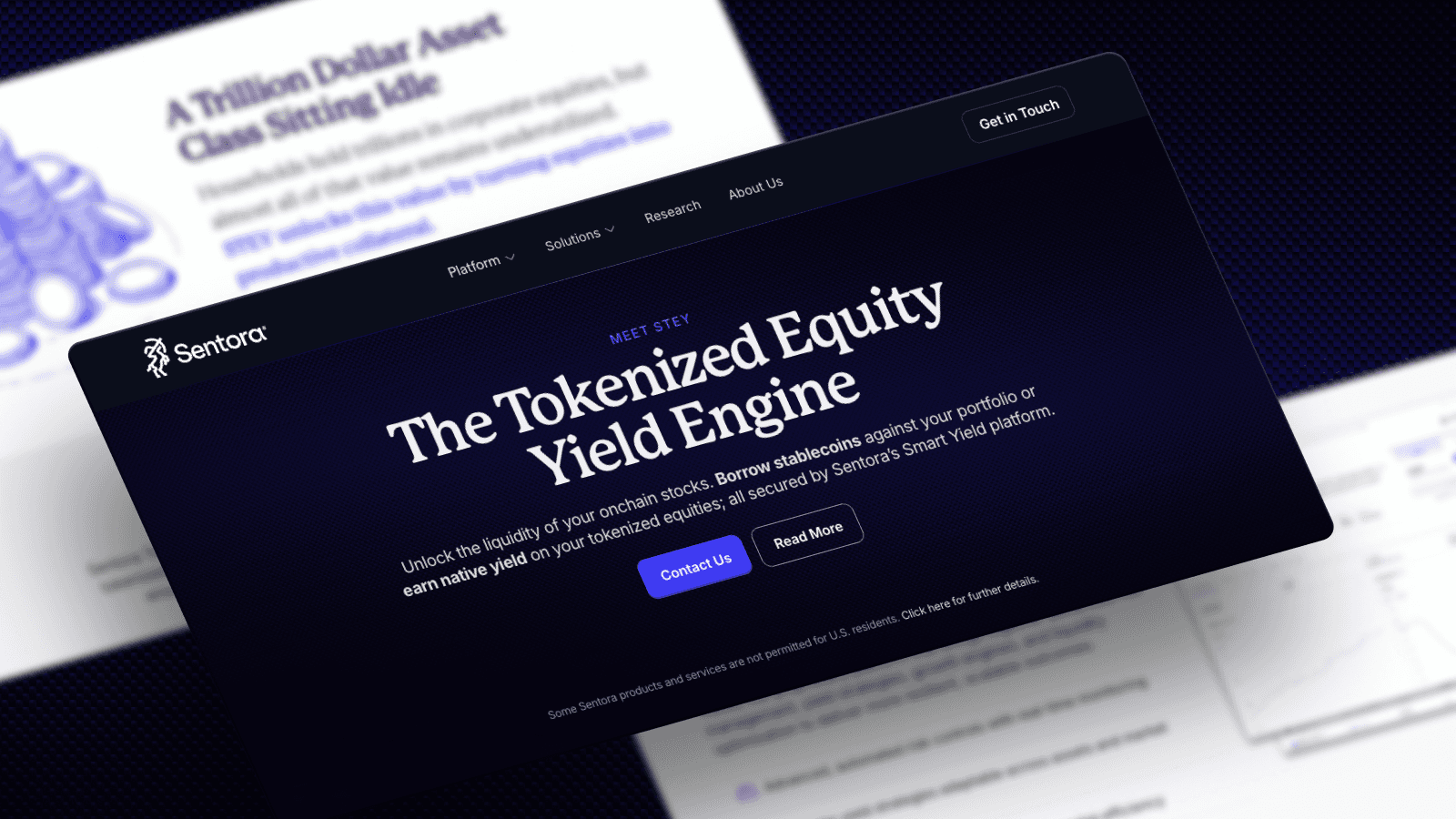
The growth of onchain equities has been impressive, but these assets should not just be onchain. They should be useful onchain. Today we’re launching STEY, a solution we developed in collaboration with Ondo, Chainlink, and Euler to enable tokenised stocks to be used as collateral in decentralised lending markets.

Tokenized equities have advanced from experimental proofs of concept to institutional grade products. The next big unlock is about unlocking one-click borrowing for retail stock holders

As we approach the end of 2025, Bitcoin (BTC) is trading around $88,000 amid year-end volatility. While short-term pressures have led to dips below $90,000, several converging factors position BTC for significant upside in 2026. This year-ahead view outlines a bullish thesis centered on the resolution of massive options expirations, institutional asset reallocations via ETFs, and geopolitical de-escalation in Ukraine. Each of these factors will be contributing to reduced uncertainty, increased liquidity, and renewed investor confidence.

DeFi doesn’t fail for lack of innovation; it fails due to unmanaged technical and economic risks. Sentora’s framework turns awareness into discipline: quantifying, monitoring, and enforcing risk controls across assets, protocols, and vaults.

The events of the past week pushed the DeFi risk discussion to the forefront; in practice, risk ownerships depends on the protocol, the asset, and the curator. In this article, we break down how to classify risk ownership across these layers so LPs can deploy with clarity.

In 2025, a new breed of public companies has captured the imagination of investors: Digital Asset Treasury Companies (DATCOs or DATs). These entities, often focused on holding cryptocurrencies like Bitcoin as core treasury assets, have raised over $15 billion in capital this year alone, surpassing traditional venture funding in the crypto space.
